

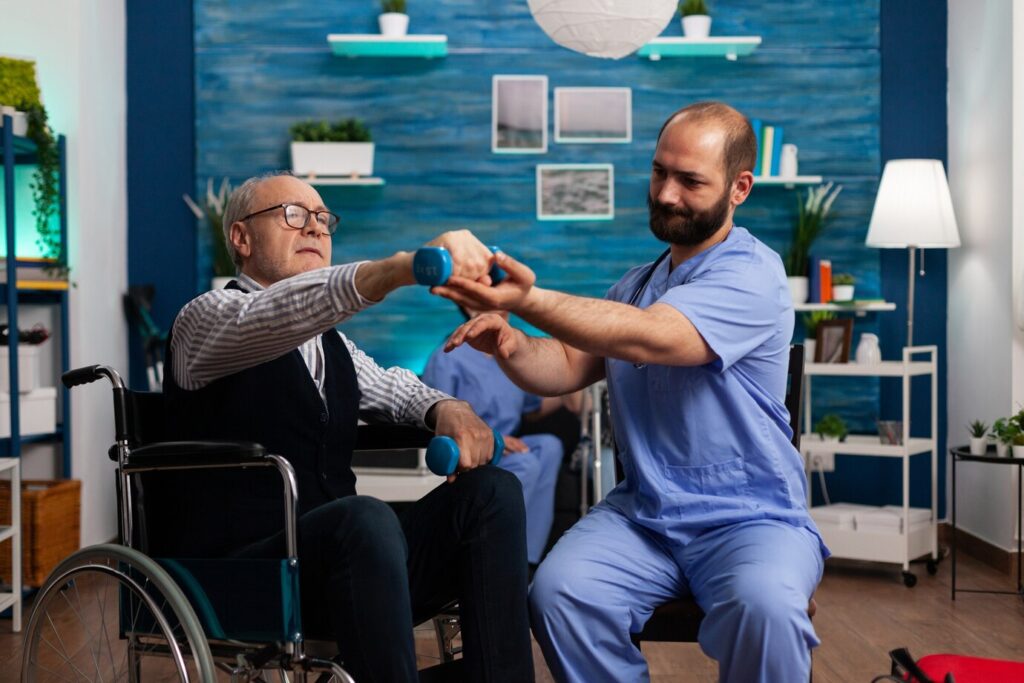
At Medark Multispecialty Hospital, we take pride in being recognized as the best orthopedic hospital in Bahadurgarh, Haryana, providing world-class care for a wide range of musculoskeletal conditions. From joint pain, fractures, and sports injuries to complex spine disorders, our expert team ensures personalized and effective treatment.
At Medark Hospital, we specialize in advanced orthopedic treatment in Bahadurgarh, Haryana, offering expert care to help patients regain mobility and live pain-free. Our team provides personalized treatment plans, from minimally invasive procedures to complex surgeries, ensuring optimal recovery. Whether you need joint replacement, fracture management, or sports injury care, we are committed to restoring your strength and movement.
If you experience any of the following symptoms, it’s important to consult an orthopedic surgeon in Bahadurgarh, Haryana for proper diagnosis and treatment:
We offer a wide range of orthopedic treatments in Bahadurgarh, Haryana. Our process begins with a comprehensive evaluation of your condition, including medical history, physical examination, and diagnostic imaging. Based on the findings, we create a personalized treatment plan, which may include non-surgical therapies, minimally invasive procedures, or advanced orthopedic surgery. Our goal is to restore function, alleviate pain, and improve the quality of life for every patient.
Call us now to schedule a consultation with our experienced orthopedic surgeon in Bahadurgarh, Haryana.
Knee pain may result from arthritis, ligament injuries, meniscus tears, overuse injuries, obesity, sports injuries, fractures, or age-related degeneration of the joint.
You should consult an orthopedic specialist if you experience persistent joint pain, swelling, limited mobility, sports injuries, fractures, back pain, or musculoskeletal concerns affecting daily activities.
Common symptoms include joint pain, stiffness, swelling, reduced range of motion, tenderness, and difficulty performing routine movements, especially after periods of inactivity.
Treatment depends on the cause and may include medications, physiotherapy, posture correction, exercise programs, lifestyle modifications, and occasionally surgical intervention.
Symptoms may include pain, swelling, bruising, instability, restricted movement, weakness, difficulty bearing weight, or reduced athletic performance.
Joint replacement may be recommended when severe arthritis, joint damage, or chronic pain significantly affects mobility and quality of life despite conservative treatments.
Prevention includes adequate calcium and vitamin D intake, weight-bearing exercise, healthy lifestyle habits, avoiding smoking, limiting alcohol consumption, and regular bone health assessments.
Treatment depends on the underlying cause and may include physiotherapy, medications, activity modification, injections, strengthening exercises, or surgical management when required.
Most fractures heal within 6 to 12 weeks, although healing time varies depending on age, bone involved, overall health, and the severity of the fracture.
Yes. In many orthopedic conditions, physiotherapy can reduce pain, improve function, strengthen muscles, and help patients avoid or delay surgical intervention.

Medark Hospital
Gali no. 5, Main Patel Nagar Road,
Patel Nagar, Bahadurgarh,
Bahadurgh, Haryana -124 507
