

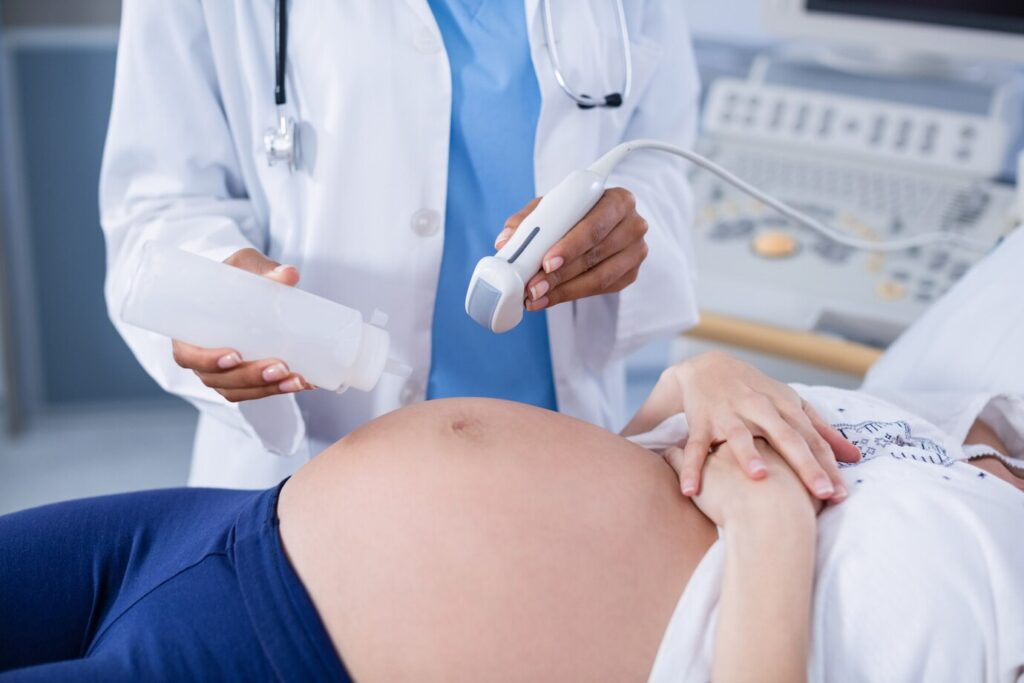
Women should generally have annual gynecological examinations. Regular visits help monitor reproductive health, detect abnormalities early, and support preventive healthcare throughout different life stages.
Irregular periods may result from hormonal imbalances, PCOS, stress, thyroid disorders, weight fluctuations, pregnancy, menopause, or certain medical conditions requiring evaluation by a gynecologist.
You should consult a gynecologist if you experience irregular periods, pelvic pain, abnormal bleeding, fertility concerns, menopausal symptoms, vaginal infections, or any reproductive health issues.
Common symptoms include irregular menstrual cycles, excessive hair growth, acne, weight gain, difficulty conceiving, hair thinning, and hormonal imbalances affecting ovarian function.
Infertility evaluation may include hormone testing, ovulation assessment, ultrasound scans, reproductive health examinations, semen analysis, and other investigations to identify possible causes.
Pelvic pain may be caused by endometriosis, ovarian cysts, fibroids, pelvic inflammatory disease, urinary conditions, gastrointestinal disorders, or reproductive health concerns.
Yes. Maintaining a healthy weight, balanced diet, regular exercise, stress management, adequate sleep, and avoiding smoking can positively influence reproductive health and fertility.
Common signs include irregular periods, hot flashes, night sweats, mood changes, sleep disturbances, vaginal dryness, and reduced fertility due to hormonal changes.
Regular Pap smear tests, HPV screening, routine gynecological examinations, and early evaluation of abnormal symptoms help detect cervical cancer at an early stage.
A Pap smear is a screening test used to detect abnormal cervical cells that may indicate precancerous changes or cervical cancer, allowing timely treatment and prevention.

Medark Hospital
Gali no. 5, Main Patel Nagar Road,
Patel Nagar, Bahadurgarh,
Bahadurgh, Haryana -124 507
