

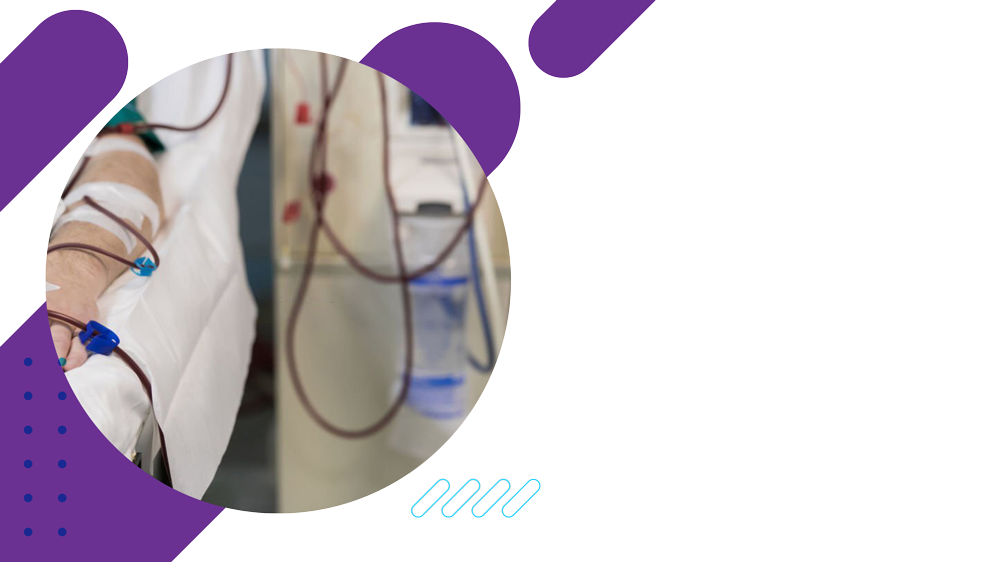
Dialysis is a medical treatment that removes waste products, excess fluids, and toxins from the blood when the kidneys can no longer perform these functions effectively due to kidney failure.
Dialysis may be recommended when kidney function declines significantly and symptoms such as swelling, fatigue, shortness of breath, nausea, or abnormal blood test results develop.
The two main types of dialysis are hemodialysis and peritoneal dialysis. A nephrologist in Haryana can determine the most suitable option based on the patient's condition.
A typical hemodialysis session usually lasts around 3 to 5 hours, although the duration may vary depending on the patient's medical needs and treatment plan.
Yes. With proper medical care, dietary management, medication adherence, and regular dialysis sessions, many patients can maintain active and productive lifestyles.
Dialysis patients may need to limit foods high in sodium, potassium, phosphorus, and excess fluids. Dietary recommendations should be individualized by healthcare professionals.
Most hemodialysis patients require treatment three times per week, while schedules may vary depending on kidney function, overall health, and medical advice.
Possible side effects include low blood pressure, muscle cramps, fatigue, nausea, headaches, and changes in fluid balance. Regular monitoring helps manage these effects effectively.
Managing diabetes, controlling blood pressure, staying hydrated, maintaining a healthy lifestyle, and seeking care from a kidney specialist in Haryana can help reduce the risk of kidney failure.
Dialysis performs some kidney functions artificially, while kidney transplantation replaces a failed kidney with a healthy donor kidney, offering a more permanent treatment option for eligible patients.

Medark Hospital
Gali no. 5, Main Patel Nagar Road,
Patel Nagar, Bahadurgarh,
Bahadurgh, Haryana -124 507
