

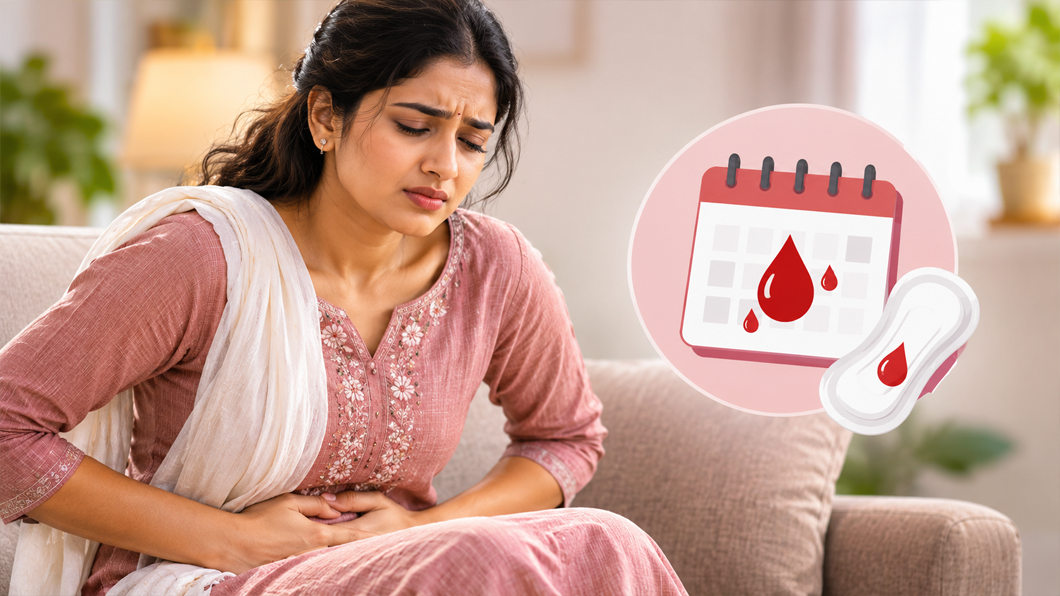
Heavy periods can be more than just an inconvenience. When you are changing pads frequently, waking up at night to manage bleeding or avoiding your usual routine because of your period, it is worth paying attention to what your body is telling you.
The first thing to know is that there is no single home remedy that can safely stop heavy menstrual bleeding for everyone. The right treatment depends on why the bleeding is happening. Sometimes it is related to hormonal changes, while conditions such as fibroids, adenomyosis or certain bleeding disorders can also be responsible.
Every person’s menstrual flow is different, so there is no single amount that is considered “normal” for everyone. However, bleeding may be considered heavy when it regularly interferes with your everyday life.
Some signs to watch for include:
If heavy bleeding keeps happening month after month, it is better to find out why rather than simply trying to manage each period on your own.
There can be several reasons for unusually heavy menstrual bleeding.
Hormonal changes are one possibility. Problems affecting the uterus, such as fibroids or adenomyosis, can also increase menstrual flow. Thyroid problems, certain medications and some blood clotting disorders may contribute as well.
For some women, Heavy periods caused by fibroids can be particularly troublesome. Fibroids are non-cancerous growths in or around the uterus, and their size and location can influence menstrual bleeding.The cause cannot always be identified from the amount of bleeding alone.
A gynaecological evaluation may be needed to understand what is happening.
If you are experiencing heavier bleeding than usual, focus first on your immediate wellbeing.
Rest if you feel tired, drink enough fluids and keep track of how frequently you are changing your sanitary protection. This information can also be useful when you speak to your doctor.
Do not start taking hormonal tablets or other medicines simply because someone else found them helpful. Some medicines can reduce menstrual bleeding, but whether they are appropriate depends on your health, medical history and the reason for the bleeding.
If the bleeding is unusually heavy or continues for longer than expected, medical advice is more useful than trying one home remedy after another.
Blood clots can occur during menstruation, particularly when the flow is heavy. A small occasional clot may not necessarily indicate a problem.
However, repeatedly passing large clots along with very heavy bleeding, prolonged periods or significant pain deserves attention.
Passing large blood clots during period is one of the signs worth mentioning to a gynaecologist, particularly if it is a new change in your menstrual pattern.
Yes. Your menstrual cycle is closely influenced by hormones, particularly oestrogen and progesterone. When their usual balance is disrupted, the lining of the uterus may build up differently and shed more heavily or irregularly.
Hormonal imbalance heavy bleeding may occur during certain stages of life, including the years leading up to menopause. It can also have other causes, which is why persistent or unusual bleeding should be evaluated rather than automatically blamed on hormones.
Yes. Losing a significant amount of blood repeatedly can reduce the body’s iron stores and, over time, contribute to iron deficiency anaemia.
This may leave you feeling unusually tired or weak. Some people may also experience dizziness, headaches, shortness of breath or reduced ability to concentrate.
Anemia from heavy period bleeding is therefore something worth discussing with a doctor if your periods are consistently very heavy. A blood test can help check your haemoglobin and iron status.
Very heavy bleeding should not always be managed at home.
Seek urgent medical attention if you are soaking through sanitary protection very quickly and repeatedly, or if heavy bleeding is accompanied by fainting, severe dizziness, extreme weakness, shortness of breath, chest discomfort or severe abdominal or pelvic pain.
If you are pregnant or there is any possibility that you could be pregnant, unusual heavy bleeding also requires prompt medical assessment.
Treatment depends on the underlying cause, your age, overall health and whether you are planning a pregnancy.
Depending on the situation, a gynaecologist may recommend medicines that reduce bleeding, hormonal treatment or medicines to address an identified condition. If fibroids, polyps or another structural problem are responsible, procedures or surgery may sometimes be considered.
The important point is that treatment should be based on the cause, rather than simply trying to stop the bleeding without finding out why it is happening.
You do not have to wait until heavy periods become unbearable before seeking help.
Consider booking a consultation if your periods have suddenly become much heavier, regularly interfere with daily activities, last longer than usual, involve frequent large clots or leave you feeling tired and weak.
A gynaecologist can review your menstrual history, examine you when needed and recommend investigations such as blood tests or an ultrasound to identify the possible cause.
Heavy periods may be common, but struggling through them every month should not have to be.
Some variation in menstrual flow is normal. However, bleeding that is consistently very heavy, prolonged or disruptive to daily life should be evaluated.
There is no single safe method that works for everyone. Medicines may help in some cases, but they should be taken only after appropriate medical advice.
Not necessarily. Small clots can occur during heavier menstrual flow. Frequent large clots combined with excessive bleeding should be discussed with a gynaecologist.
Yes. Fibroids can cause heavier or longer menstrual bleeding, depending on their size and location.
Repeated heavy blood loss can reduce iron stores and may eventually contribute to iron deficiency anaemia.
See a gynaecologist if heavy bleeding is recurring, suddenly changes, affects your daily activities or is accompanied by significant pain, dizziness, weakness or other concerning symptoms.

Medark Hospital
Gali no. 5, Main Patel Nagar Road,
Patel Nagar, Bahadurgarh,
Bahadurgh, Haryana -124 507
