

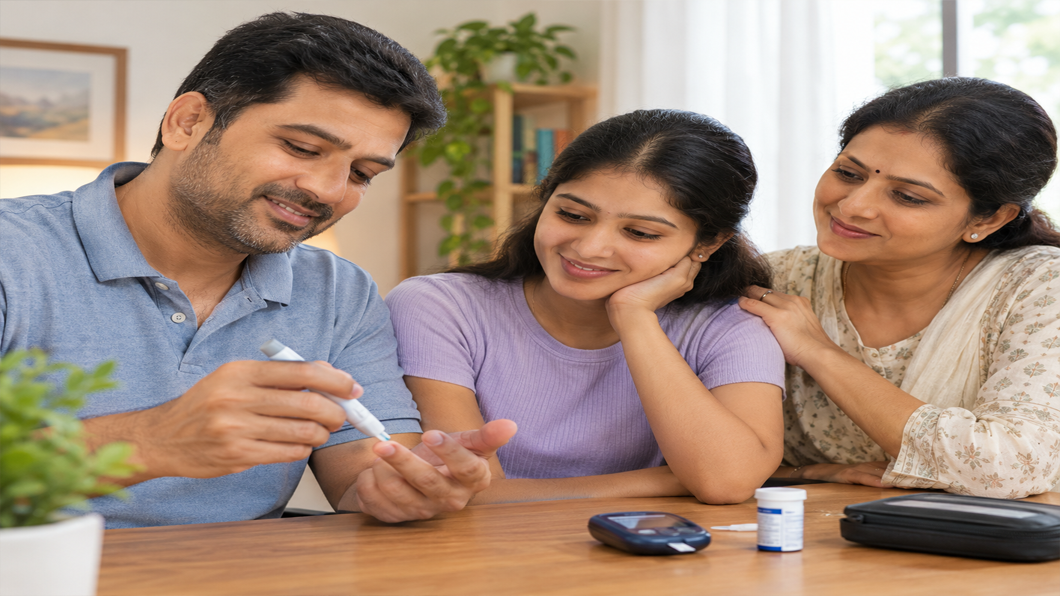
Diabetes does not always announce itself. A person can go about their day without noticing anything unusual, even while their blood sugar levels are higher than normal. That is why regular testing matters, especially if diabetes runs in the family or you have other risk factors.
World Diabetes Day, observed on November 14, is a reminder to pay attention to our health before symptoms start interfering with everyday life. Blood sugar testing is one part of that. Depending on your health and medical history, your doctor may recommend different tests to understand how your body is managing glucose.
Here are seven checks worth knowing about.
This is one of the most commonly recommended tests for diabetes screening. It measures blood glucose after you have fasted for at least eight hours. During this time, you can drink water, but should avoid food and other beverages.The result helps show how your body manages blood sugar when you have not eaten for several hours. Your doctor may recommend this test during a routine health check-up, particularly if you have a family history of diabetes.
Blood sugar naturally rises after eating. This test checks how your body responds to a meal, usually by measuring glucose two hours after the start of eating.
It can be useful for people who have already been diagnosed with diabetes and need to monitor their glucose levels. Your doctor will interpret the result based on your health and treatment plan.
A single blood sugar reading shows your glucose level at a particular moment. HbA1c gives a broader picture by estimating your average blood sugar over the previous two to three months.
It is commonly used to diagnose diabetes and monitor long-term glucose control. Unlike fasting blood sugar, this test does not usually require fasting.
As the name suggests, this test can be done at any time of the day, regardless of when you last ate. It may be recommended if you experience symptoms such as excessive thirst, frequent urination or unexplained tiredness.
A random reading can provide useful information, but it may not be enough on its own to confirm diabetes. If you are looking for a sugar test in Bahadurgarh, the team at Medark Hospital can guide you on which test may be suitable based on your symptoms and medical history.
This test checks how your body processes glucose. After an initial blood sample is taken, you are asked to drink a glucose solution. Another blood sample is collected after a specified period to see how your blood sugar responds.
It is commonly used to diagnose diabetes and is also recommended during pregnancy to check for gestational diabetes.
For people living with diabetes, checking blood sugar at home can help them understand how their levels change throughout the day.
A glucometer measures glucose using a small drop of blood, usually taken from the fingertip. Your doctor will advise how often to check and what readings to aim for. The frequency may vary depending on your medication, treatment plan and individual needs.
Managing diabetes involves more than checking blood sugar. Your doctor may also recommend tests to monitor how the condition is affecting other parts of your body.
These may include:
Not everyone needs the same tests at the same time. Your doctor will suggest a follow-up schedule based on your health and diabetes management.
You do not have to wait for symptoms to appear before getting tested. It is worth discussing diabetes screening with your doctor if:
The right time to start screening and how often to repeat tests depend on your age, risk factors and medical history.
A high reading does not automatically mean you have diabetes. Some results need to be repeated or confirmed through another test. Your doctor will consider the readings along with your symptoms and medical history before making a diagnosis.
If diabetes is confirmed, the next step is to understand what kind of care you need. Our diabetes specialist in Bahadurgarh can help assess your condition, explain your test results and guide you on managing your blood sugar.
Diabetes management is not just about checking numbers. Food choices, physical activity, sleep, medication and regular follow-ups all play a role. The plan also needs to suit your daily routine and individual health needs.
At Medark Hospital, Diabetes treatment in Bahadurgarh focuses on medical evaluation and a care plan based on each patient’s condition. Your doctor may recommend lifestyle changes, medication or further tests depending on your results.
If you have been postponing a blood sugar test, World Diabetes Day is a good reminder to get it checked. A simple test can help identify changes that may otherwise go unnoticed
Medark Hospital offers a Treatment Package for those interested in taking a more organised approach to health screening. Contact the hospital to know what the package includes, which tests are available and whether it is suitable for your needs.
Do not wait for symptoms to affect your everyday life. Speak to your doctor about the checks that are right for you.
It depends on whether you have diabetes, your treatment and your risk factors. Your doctor can recommend a suitable testing schedule.
Fasting blood sugar is one of the commonly used tests. Depending on your results, your doctor may also recommend an HbA1c or oral glucose tolerance test.
Fasting blood sugar measures glucose after an overnight fast. HbA1c estimates your average blood sugar levels over the previous two to three months.
Yes. Type 2 diabetes can develop gradually, and some people may not notice symptoms in the early stages. Regular screening can help identify high blood sugar.
Not always. Depending on the test and your symptoms, your doctor may recommend repeating the test or confirming the result through another method.
Author: Dr Dharmendra Rathi
Designation: MD Physician, DNB Medicine
Qualifications: Fellowship in Diabetes Mellitus (Liverpool, UK)
Category: Diabetes Care | Blood Sugar Management
Medark Hospital

Medark Hospital
Gali no. 5, Main Patel Nagar Road,
Patel Nagar, Bahadurgarh,
Bahadurgh, Haryana -124 507
